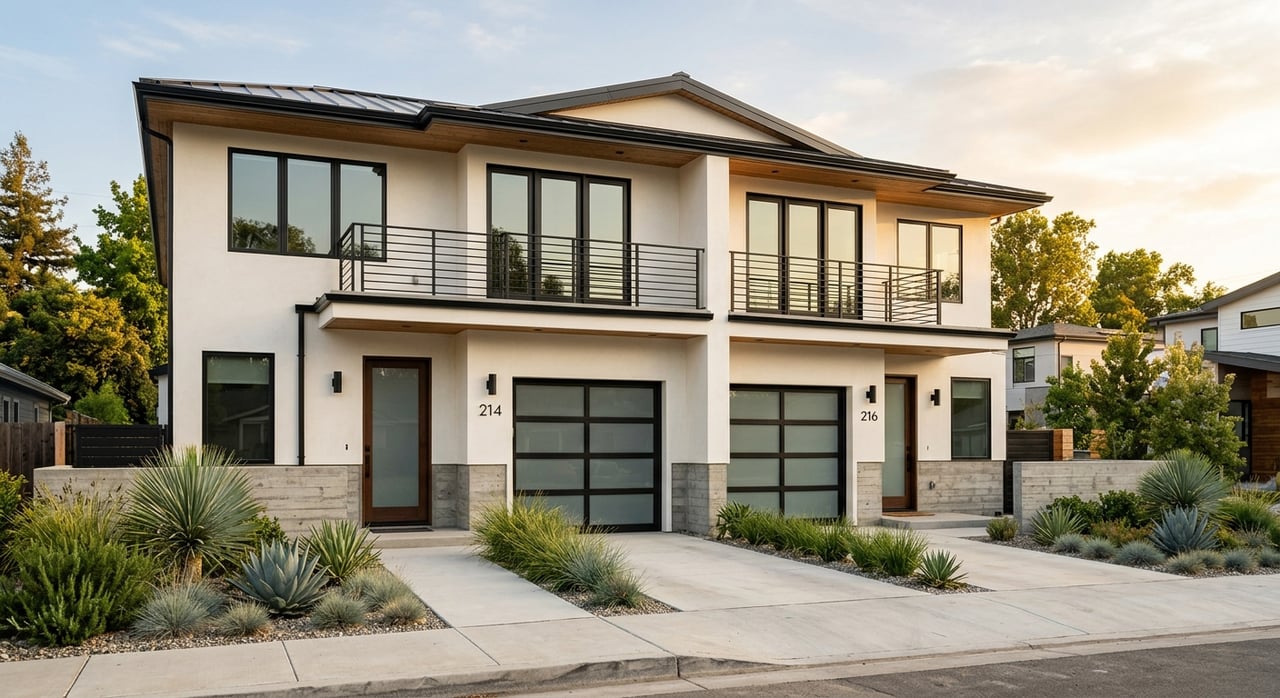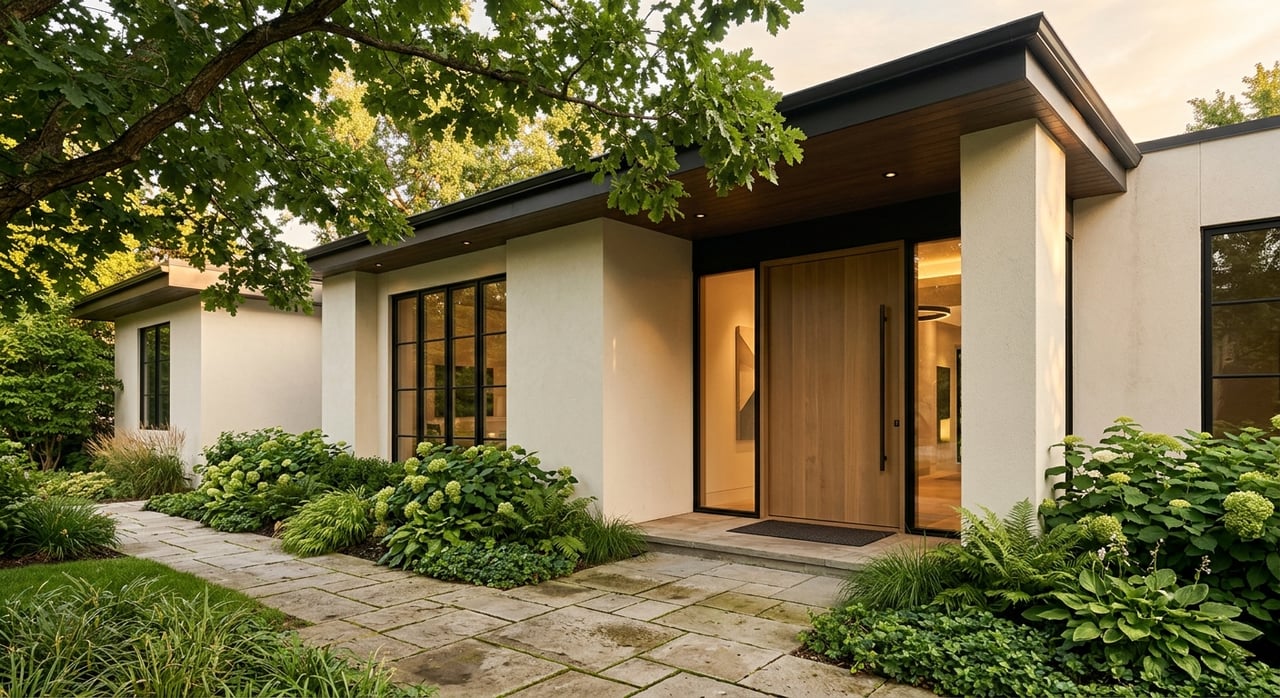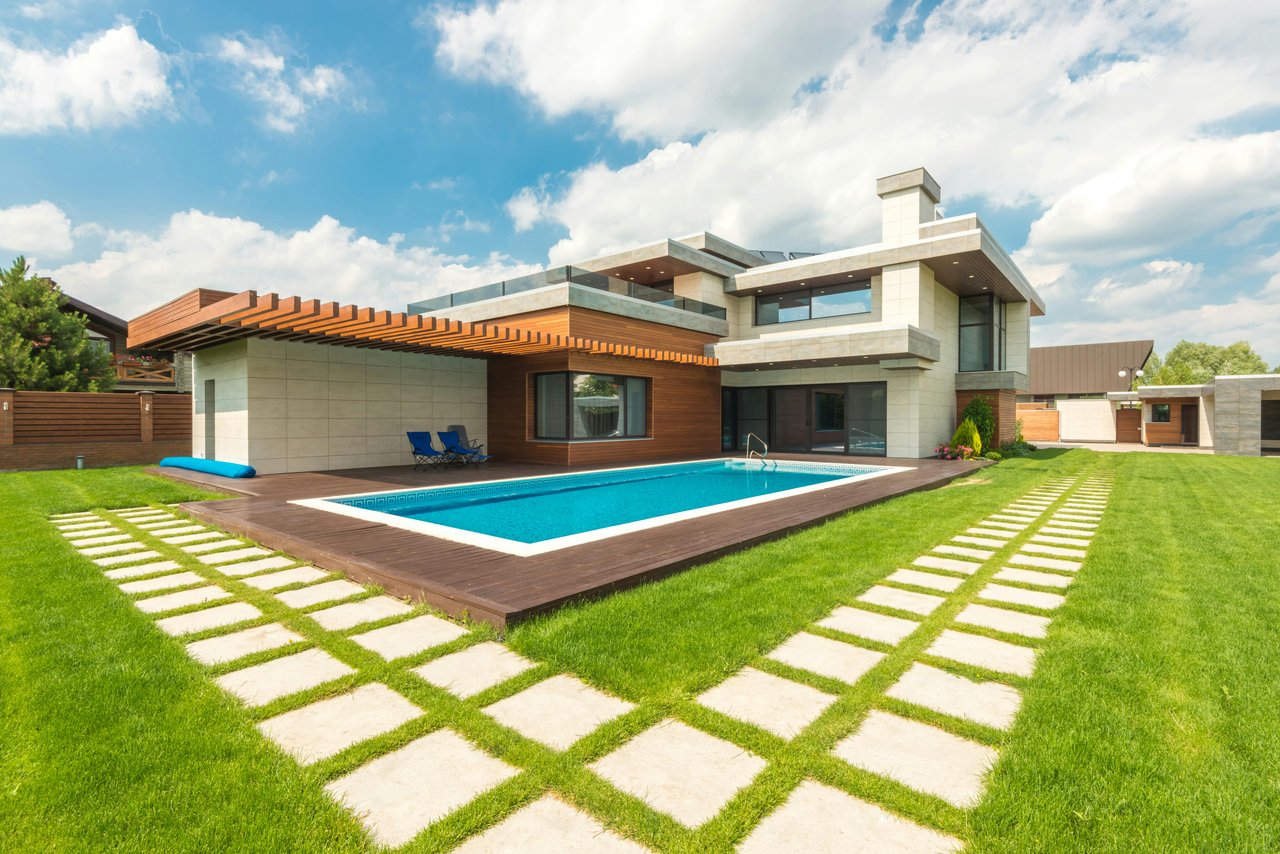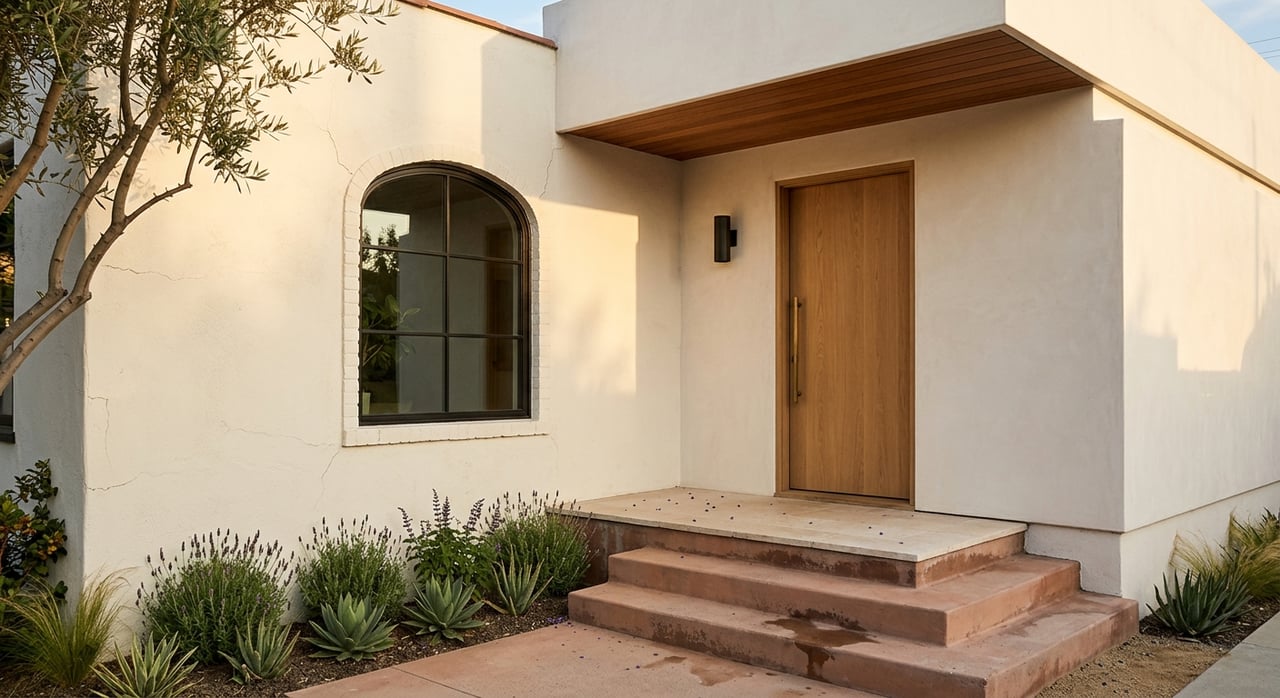
You can feel the difference right away in San Juan Capistrano. One home may sit near adobes, preserved streetscapes, and the train depot, while another may be part of a newer planned neighborhood with private streets, recreation areas, and more standardized lots. If you are deciding between a historic home and a newer property here, it helps to look beyond style alone and understand how each option can shape your daily life. Let’s dive in.
Historic vs newer homes in San Juan Capistrano
San Juan Capistrano offers a rare mix of housing choices. The city’s historic inventory includes the Mission and downtown buildings, the Los Rios Street Historic District, Mission Hill-Mission Flats homes, adobe buildings, and ranch or farmhouse properties. The city also notes that 13 sites or districts are listed in the National Register.
At the same time, newer neighborhoods in San Juan Capistrano often follow city-approved specific plans or comprehensive development plans. These communities may still reflect Spanish or California-inspired design, but they usually offer a more structured layout, common standards, and organized maintenance of shared spaces.
Your best fit often comes down to what matters most to you: original character and walkable heritage areas, or a more predictable home setup with newer infrastructure and community amenities.
What makes historic-core homes different
Historic-core homes in San Juan Capistrano stand out for their architecture, lot patterns, and connection to the city’s past. The city’s historic examples range from 18th- and 19th-century adobe buildings to early-20th-century homes, including properties like the Egan House, Montanez Adobe, and other preserved structures.
In practical terms, that means you may find homes with details and materials that are hard to replicate today. Lot layouts can also feel less uniform than later subdivisions, especially in areas that evolved over time rather than being built all at once.
Historic character and walkable setting
One of the biggest draws of the historic core is the setting itself. Mission San Juan Capistrano describes the historic downtown as being within walking distance of shops, restaurants, and the train station. The area also includes features like the historic train depot, curated adobes, equestrian heritage, and community events.
That kind of location can create a very different day-to-day experience. If you value cultural landmarks, local events, and a home that feels tied to San Juan Capistrano’s roots, the historic core can be especially appealing.
Lot patterns, parking, and daily flow
Historic districts often come with tradeoffs. The city describes Los Rios Historic District as one of the oldest residential districts in California and notes its beautiful landscape, cozy homes, limited parking, and residential community character.
For you, that can mean a more intimate neighborhood feel but also less room for parking or less standardized lot configurations. If you regularly host guests or want a more conventional street layout, this is worth weighing carefully.
Preservation rules and approvals
Historic homes can involve more review before changes are made. For designated historic properties, the city says that alterations, additions, relocations, or demolition require Site Plan Review. Structures and sites on the city’s historic list also need discretionary review and approval before grading or building permits are issued.
That does not mean historic ownership is a bad fit. It simply means you should be prepared for a process that may be more detailed if you plan to remodel or expand.
Potential benefits for designated properties
Some designated landmarks may qualify for meaningful incentives. The city says eligible properties may benefit from Historic Building Fee Waivers, the State Historical Building Code, and Mills Act tax relief.
According to the city’s Mills Act guide, a contract can reduce real property taxes, and county assessor reductions can range from 15% to 60%. If you are considering a designated historic property, this is one of the most important items to verify early.
What makes newer homes different
Newer planned communities in San Juan Capistrano often appeal to buyers who want more consistency in design standards, lot dimensions, and neighborhood governance. These homes may still reflect local architectural traditions, but they tend to offer a more predictable ownership experience.
That predictability can matter if you prefer clear rules, newer infrastructure, and shared amenities. In many cases, these neighborhoods are shaped by specific plans that define how homes, streets, and common areas should look and function.
More standardized lots and design
Village Alipaz is a strong example of how newer development works in San Juan Capistrano. It is a 158-unit gated residential community on 24.4 acres with private streets and private recreational facilities. Its specific plan includes Spanish Revival-period architecture, a 4,000-square-foot minimum lot area, 42-foot standard lot width, 95-foot minimum depth, and a 30-foot height cap.
Those details show how newer communities can feel more orderly and consistent. If you like knowing that setbacks, lot size expectations, and neighborhood appearance follow a clear framework, newer homes may feel easier to evaluate.
HOA structure and community rules
Newer communities may also have more formal governance. Village Alipaz ties landscaping to approved plans and prohibits RV storage in driveways or side yards. The Farm, another newer master-planned community with up to 180 homes, includes an active homeowners association that maintains common areas without public funding.
For some buyers, that structure is a plus because it can support a polished neighborhood appearance and lower day-to-day responsibility for shared spaces. For others, HOA rules and dues may feel too restrictive, so it is important to review them before making an offer.
Amenities and connected living
Newer planned communities can also offer strong access to recreation and services. The Farm was planned within a short walk of city trails, the Community Center, Sports Park, the Ecology Center, a retail center, and OCTA bus service within a quarter mile.
That convenience can be a major selling point if you want a neighborhood that supports an active lifestyle. Across the city, San Juan Capistrano also offers 43 miles of unpaved hiking, mountain, and equestrian trails, about 20 miles of paved bikeways, 52 acres of developed parks, and more than 3,000 acres of open space.
How to decide which home fits you best
The right choice depends on how you want to live, not just what looks best in photos. Historic-core homes often fit buyers who want character, preserved streetscapes, and cultural walkability, and who are comfortable with parking constraints, preservation review, and owner-led maintenance.
Newer planned homes often fit buyers who want a more predictable lot, newer infrastructure, private-street or HOA governance, and access to community amenities like parks or trails. Neither option is automatically better. The better choice is the one that supports your priorities.
Choose historic if you value:
- Original architecture and older materials
- A home connected to San Juan Capistrano’s heritage
- Walkability to downtown shops, restaurants, and the train station
- Access to cultural amenities like Historic Town Center Park, Los Rios Park, museums, festivals, concerts, and art shows
- The possibility of Mills Act tax relief or fee waivers on eligible designated properties
Choose newer if you value:
- More standardized lot sizes and setbacks
- Newer neighborhood planning and infrastructure
- HOA-managed common areas or private recreational amenities
- Clear design standards and community rules
- Proximity to trails, parks, community facilities, and retail in planned settings
Smart questions to ask before you buy
No matter which direction you lean, your due diligence matters. The city advises buyers and owners to verify whether a parcel is on the historic list or in a historic district, whether Mills Act or fee-waiver benefits apply, which specific plan or development plan governs the site, HOA rules and dues, lot-size and setback standards, parking requirements, and whether the property is in a flood zone.
This step is especially important in San Juan Capistrano because one street can feel very different from the next. A home’s charm, convenience, and long-term upkeep can all be shaped by city review requirements or community-level rules.
A practical way to compare two homes
If you are touring both historic and newer properties, compare them through the lens of everyday life. Ask yourself how each home handles parking, maintenance, outdoor space, future renovation plans, and access to the places you use most.
It can also help to rank your priorities before you start writing offers. When you are clear on what matters most, whether that is architectural character, lower-maintenance living, lot predictability, or proximity to downtown, your decision usually becomes much easier.
San Juan Capistrano gives you options that are genuinely distinct, and that is part of what makes this market so compelling. If you want expert guidance comparing neighborhoods, lot standards, and lifestyle tradeoffs across the city, the Tina Tan Group can help you narrow in on the right fit with a thoughtful, local approach.
FAQs
What is the main difference between historic and newer homes in San Juan Capistrano?
- Historic homes usually offer more original character, older architecture, and closer ties to downtown heritage areas, while newer homes often offer more standardized lots, newer infrastructure, and community governance through specific plans or HOAs.
Do historic homes in San Juan Capistrano have extra renovation rules?
- Yes. The city says designated historic properties may require Site Plan Review and discretionary approval for alterations, additions, relocations, demolition, grading, or building permits.
Can a historic home in San Juan Capistrano qualify for tax benefits?
- Some designated landmarks may qualify for Mills Act tax relief, Historic Building Fee Waivers, and use of the State Historical Building Code, depending on the property and approval status.
What should I check before buying a newer home in San Juan Capistrano?
- You should verify the governing specific plan or development plan, HOA rules and dues, lot-size and setback standards, parking requirements, and any other community restrictions that affect daily use of the property.
Are newer homes in San Juan Capistrano still designed to match the city’s character?
- Often, yes. Research examples like Village Alipaz and The Farm show Spanish, Classic California Spanish, or agricultural-inspired design approaches that aim to complement the city’s established character.
Is walkability better in historic areas of San Juan Capistrano?
- In many cases, yes. The historic downtown is described as within walking distance of shops, restaurants, and the train station, which can be a major draw for buyers who value a connected, local lifestyle.