Staring at Irvine listings and wondering what a “village” actually means for your day-to-day life? You are not alone. Irvine’s master-planned design is unique, and it shapes your options for homes, amenities, commute routes, and HOA responsibilities. In this guide, you will learn how the village model works, what to verify before you buy, and how the major villages compare so you can focus your search with confidence. Let’s dive in.
How Irvine’s villages work
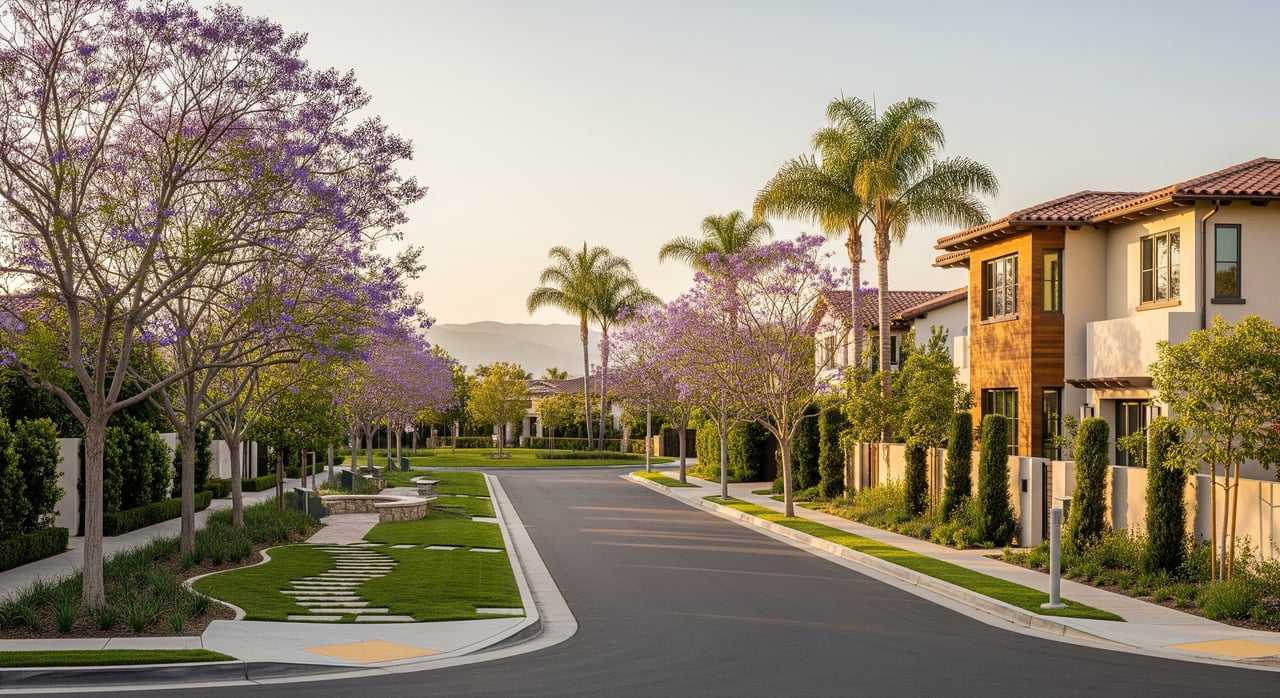
Irvine was planned as a collection of self-contained villages. Each village groups homes around parks, schools, trails, and nearby shopping, often with several layers of homeowners associations. You will see a mix of single-family homes, townhomes, and condos, especially in newer areas where builders added higher-density homes near retail and jobs.
HOAs are common, and they vary by neighborhood. Many condos and gated tracts have their own sub-associations that manage building exteriors and shared spaces. Some areas also have a master association for larger amenities. Parks and many trails are public, while community pools, private lakes, and some pocket parks are HOA-maintained. Always confirm which amenities are city maintained and which are funded by HOA dues.
How to choose your village
Start with your daily rhythm and priorities, then match them to areas that fit. Use this quick checklist:
- Commute and transit: Identify your primary destinations and the freeways or toll roads you will use most often.
- HOA structure and costs: Review sub-HOA versus master association dues and what they cover. Condo dues are often higher because they include building maintenance and insurance.
- Taxes: Check for Mello-Roos or special taxes, which are more common in newer villages. These are on top of the base property tax.
- Home age and design: Older villages often have mature landscaping and some larger lots. Newer areas lean modern with more master-planned amenities.
- Parks, trails, and open space: Decide how important trail access and nearby preserves are to your lifestyle.
- Shopping and services: Look at nearby retail corridors for groceries, dining, and errands.
- Schools: Most of Irvine is served by Irvine Unified School District. Verify school assignments for a specific address directly with the district.
Village profiles at a glance
Below are concise snapshots of villages home shoppers ask about most. For any specific home, confirm HOA names, dues, amenities, and tax items before you write an offer.
Northwood
Character: An established area with mature trees and a mix of single-family homes and townhomes. Some tracts have larger lots.
HOA and amenities: Multiple smaller tract associations. You will find neighborhood parks and school sites as focal points rather than large master amenities.
Parks and open space: Northwood Community Park anchors the area, with pocket parks and walking routes throughout.
Shopping and commute: Neighborhood retail lines the main arterials. Access to I-5 and I-405 supports north-south and coastal commutes, with shorter drives to many north Irvine jobs.
Woodbridge
Character: Known for two man-made lakes, community pools, and an active neighborhood identity.
HOA and amenities: Several sub-associations with private amenities such as beaches, playgrounds, pools, and lakeside paths. Strong community programming is common.
Parks and open space: Extensive internal park network plus lakefront walking paths.
Shopping and commute: Convenient to local centers and a short drive to larger retail. Central west location gives reasonable access to the 5 and 405 corridors.
Turtle Rock
Character: Hilly and mature, with winding streets and proximity to natural open space.
HOA and amenities: Tract and community associations vary by pocket. Not all areas have large shared pools, but neighborhood parks are common.
Parks and open space: Access to local community parks and established trail networks.
Shopping and commute: Local retail corridors sit along Culver and Jeffrey, with good access to I-405, I-5, and the 73 toll road. Many residents commute to UCI and nearby employment hubs.
University area
Character: A mix of campus-adjacent housing, faculty neighborhoods, and student-oriented rentals.
HOA and amenities: Planned tracts often include HOA-maintained parks. Rental housing is common and may be managed by HOAs or landlords.
Parks and open space: Campus parks and nearby community spaces provide strong pedestrian and bike connectivity.
Shopping and commute: Retail serving students and faculty clusters along University Drive and Campus Drive. Quick access to I-405 and 73 supports broader commutes.
Westpark
Character: A planned neighborhood with both detached homes and townhomes. Many buyers appreciate the family-friendly layout.
HOA and amenities: Community centers, pools, and playgrounds are common, with typical sub-association structures.
Parks and open space: Neighborhood parks are spread across the village.
Shopping and commute: Close to neighborhood shopping and the Irvine Business Complex. Good west-side access via 405 and 55.
Oak Creek
Character: Residential and practical, with a reputation for community amenities.
HOA and amenities: Multiple associations maintain pools, clubhouses, and landscaping.
Parks and open space: Several parks and connected trails.
Shopping and commute: Local retail is nearby, with larger centers a short drive away. Central-west location offers reasonable drives to most Irvine job nodes.
Portola Springs
Character: Newer hillside neighborhoods with modern tract designs and community centers.
HOA and amenities: A strong master association presence supports pools, clubhouses, and common landscaping.
Parks and open space: Oriented to trails, canyon access, and preserved open space.
Shopping and commute: Retail continues to grow. Many residents shop at regional centers like Irvine Spectrum. Access to I-5 and toll roads supports south and coastal commutes.
Orchard Hills
Character: A newer community set among rolling hills, planned with parks and scenic viewpoints.
HOA and amenities: Master association manages larger amenities and open-space preservation. Newer tracts may include Mello-Roos or special taxes.
Parks and open space: Focus on ridgeline trails, views, and open space.
Shopping and commute: New retail nodes serve the community, with regional centers a short drive away. East Irvine corridors and toll roads support varied commutes.
Great Park Neighborhoods
Character: A large, newer development around the Orange County Great Park, with contemporary planning and a mix of housing.
HOA and amenities: A strong master association coordinates shared amenities, private pools, community centers, and events.
Parks and open space: Direct access to sports fields, the Great Park Balloon, and seasonal community programming.
Shopping and commute: Newer retail centers serve residents, and South Irvine jobs are close. I-5 and I-405 provide regional access.
Quail Hill
Character: A smaller to mid-sized village known for quick trail access and nearby preserves.
HOA and amenities: Tract associations typically include neighborhood parks and pools.
Parks and open space: Close to Quail Hill Preserve and trail networks managed with a conservation focus.
Shopping and commute: Local retail is convenient, with larger centers a short drive away. East-west arterials connect to I-5 and I-405.
HOAs, taxes, and what to verify
Your HOA packet is your roadmap. Review the CC&Rs, bylaws, rules, recent meeting minutes, reserve study, and current budget. These documents outline rental and pet rules, architectural guidelines, parking policies, and any planned capital projects that could affect costs.
Fees vary by property type. Condo dues are often higher because they cover building exterior maintenance, roof, and master insurance. Neighborhood and master associations may charge additional dues for shared amenities. Ask about reserve funding and any planned special assessments for roofs, pools, or roadwork.
Know your property taxes. In California, the typical base rate is about 1 percent of assessed value, plus voter-approved bonds. Many newer Irvine villages include Mello-Roos or other special district taxes that are added to your bill. Sellers must disclose these, but you should also confirm through county records.
Before you fall in love with an amenity, confirm ownership. City parks and many trails are public and maintained by local agencies. Community pools, lakes, and some pocket parks are private and funded by HOA dues.
Commute and transit snapshot
Irvine sits at the crossroads of I-5 and I-405, with SR-55 and several toll roads nearby, including 73, 241, and 261. Your best route depends on whether you are heading north toward Los Angeles, south along the San Diego corridor, or west to coastal cities. Test your commute during peak times to understand true drive patterns.
The Irvine Transportation Center offers rail connections on Amtrak Pacific Surfliner and some Metrolink lines. Local bus routes from OCTA connect villages to shopping and job centers. John Wayne Airport in Santa Ana is the closest commercial airport, with travel times that vary by time of day.
Parks, trails, and open space
If outdoor access is a priority, you will find a lot to like. Trail-rich areas include Quail Hill and the nearby preserves, along with canyon and hillside paths in Portola Springs and Orchard Hills. The Great Park offers regional-level fields and community events. The Jeffrey Open Space Trail links several parts of the city with a landscaped, multi-use corridor.
Know that stewardship differs. Large open spaces and preserves are managed by public agencies and nonprofit partners focused on conservation and access. HOA-maintained parks and pools are private to residents of that association.
Shopping and daily needs
Daily convenience often drives village choice. Woodbridge and Westpark place you close to established shopping corridors and services. The University area offers student- and faculty-focused retail and dining. Great Park Neighborhoods and Portola Springs have growing local centers, with many residents driving a short distance to regional hubs like major shopping and entertainment districts.
Next steps
Choosing a village is about matching your lifestyle to the right layout of parks, amenities, schools, and commute options. Verify HOA rules, dues, and reserves for any property you consider. Confirm school boundaries for the specific address. Then tour at different times of day, test your drive, and walk the nearby trails and centers.
If you want a local, village-by-village plan for your search, reach out to the Tina Tan Group. Our team brings neighborhood-level insight, clear comparisons, and concierge guidance to help you buy with confidence.
FAQs
How do HOA fees differ for Irvine condos vs single-family homes?
- Condo HOAs are often higher because they cover building exterior maintenance, roofs, and master insurance, while single-family neighborhood HOAs typically focus on landscaping, private streets, and shared facilities. Always review the HOA budget and inclusions.
What is Mello-Roos and where is it common in Irvine?
- Mello-Roos is a special tax added to your property tax bill to fund infrastructure and services, and it is more common in newer villages. Confirm the presence and amount for any home through county tax records and seller disclosures.
Which Irvine villages are closest to UCI for daily access?
- Turtle Rock and the University area are popular for UCI proximity and bike or short-drive access. Verify your specific route and peak-hour times.
Where will I find the most trail access in Irvine?
- Quail Hill and nearby preserves, Portola Springs, and Orchard Hills offer strong trail and open-space access, while the Great Park and the Jeffrey Open Space Trail provide additional options across the city.
Are short-term rentals allowed in Irvine HOAs?
- Many HOAs restrict short-term rentals. Check the CC&Rs and current rules for any community you are considering.
How do I verify school assignments for a specific Irvine address?
- Use the school district’s official lookup to confirm assignments. Boundaries can change over time, so verify for your exact address.
What should I look for in HOA documents before buying?
- Review CC&Rs, rules, recent meeting minutes, the reserve study, and the current budget. Ask about reserve funding levels and any planned special assessments.