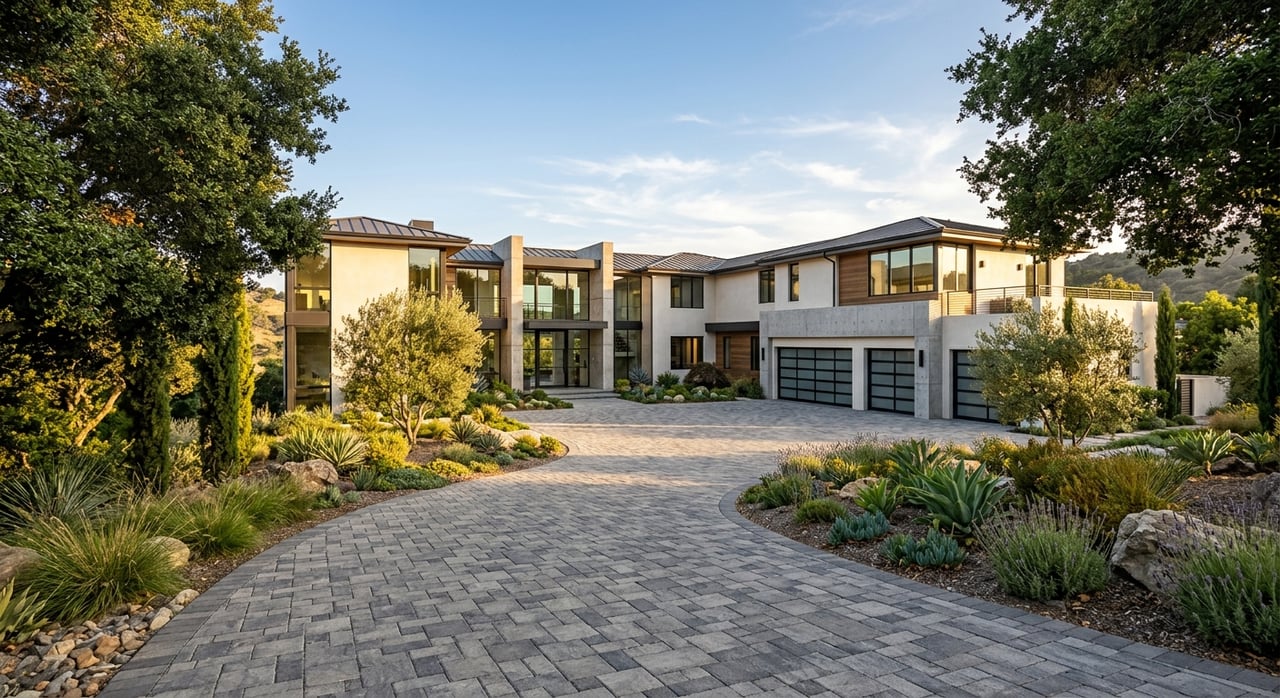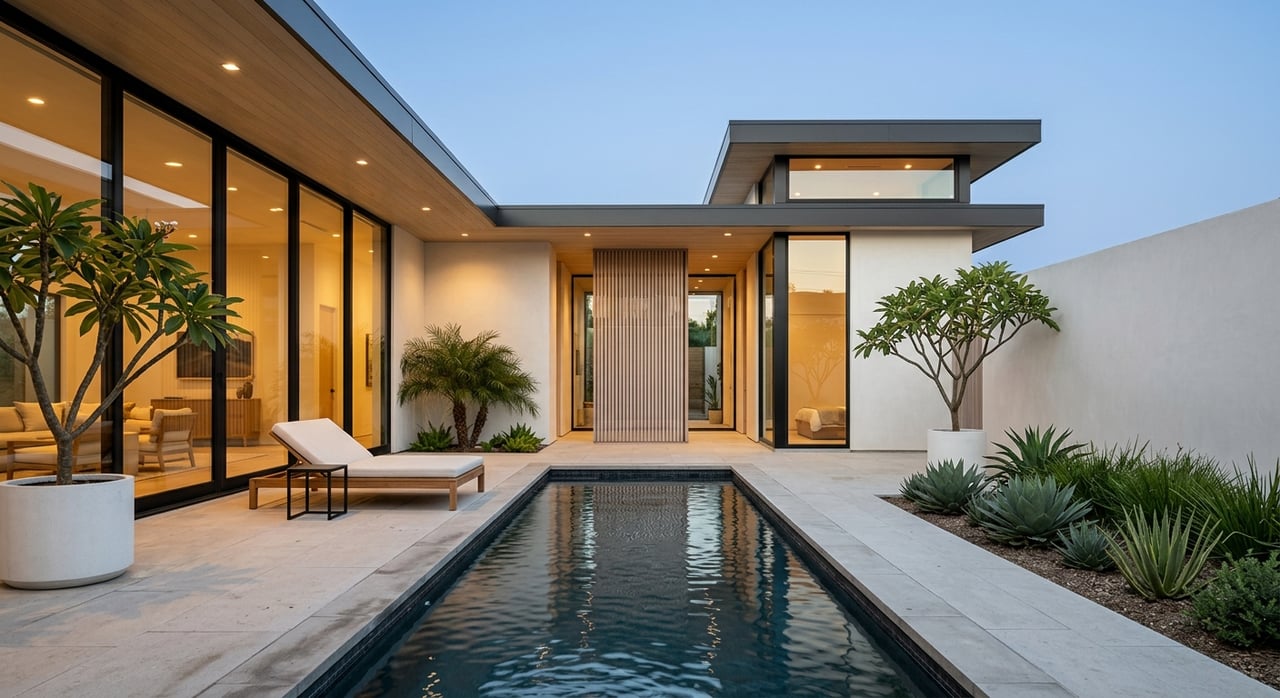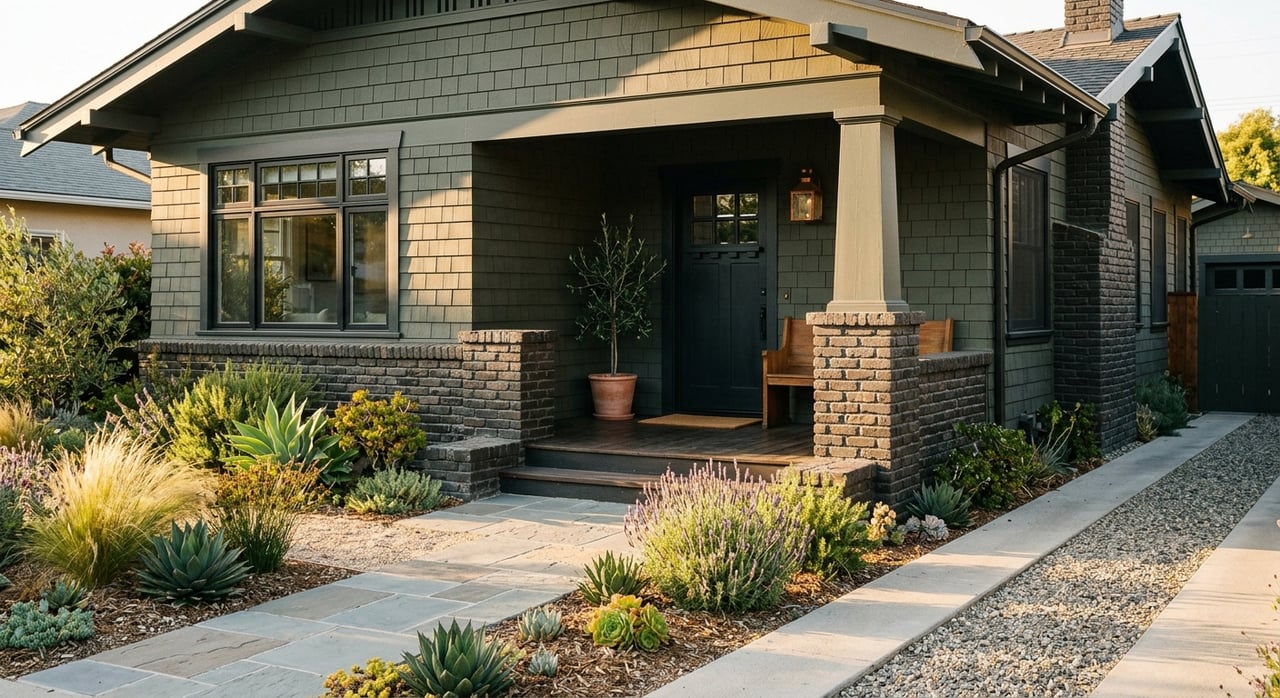
Choosing between Old Towne Orange and a newer tract is not just about square footage or style. It is about how you want to live, what kind of home projects you may take on, and how much flexibility you want over time. If you are weighing charm against convenience in Orange, this guide will help you compare the two with more clarity. Let’s dive in.
Old Towne Orange at a glance
Old Towne Orange is the city’s original historic core, with buildings dating back to the 1880s and a period of significance from 1888 to 1940. The City of Orange describes it as the largest concentration of historic buildings in California, centered around Plaza Park.
That history shapes how the area looks and feels today. Old Towne is not just an older neighborhood. It is a preserved district with a distinct street pattern, established design standards, and a strong civic identity.
Newer tracts in Orange explained
Outside Old Towne, much of Orange grew during the postwar suburban expansion. According to the City’s historic context and General Plan, major residential growth began in 1953, peaked in 1962, and transformed former orchards into subdivisions of single-family homes built largely by outside developers.
In practical terms, that means many newer tracts reflect suburban planning values rather than Old Towne’s pre-automobile layout. The City’s planning documents note that Orange neighborhoods reflect the design values of the era in which they were created, from Old Towne’s tight cohesiveness to later suburban residential tracts.
Streetscape and neighborhood feel
Old Towne offers historic character
Old Towne’s design character is easy to spot. The area includes rectangular lots, a grid street pattern, tree-lined streets, planted parkways, concrete sidewalks, detached homes with similar setbacks, rear accessory structures, and front porches that connect the home to the street.
The City’s design guidance also identifies architectural styles such as Folk Victorian, Prairie, Craftsman, Spanish Colonial Revival, Tudor Revival, and California Bungalow. You can explore those defining features in the Old Towne design standards.
For many buyers, that translates to a more layered, pedestrian-oriented setting. Homes often sit closer to the sidewalk, porches are more prominent, and the overall streetscape feels shaped by architecture rather than garage placement.
Newer tracts feel more suburban
Newer tracts in Orange typically follow a different pattern. They are generally part of the city’s broader suburban housing stock, with design and review handled through standard zoning and infill guidelines rather than Old Towne’s preservation framework.
If you want a home in Orange without the same level of historic oversight, this can be a major advantage. The General Plan framework focuses on matching neighborhood scale and minimizing visual impacts, but outside historic districts, eligible projects are reviewed administratively rather than by the Design Review Committee.
Lifestyle and accessibility
Old Towne is a civic destination
The City describes Old Towne as Orange’s center of public and civic life. It is also accessible by train, bus, and bike, which helps explain why the area often feels more active and destination-oriented than a typical subdivision.
If you like living in a place with a clear historic identity and a central community feel, Old Towne may stand out. The City’s planning materials frame it as more than a residential area.
Newer tracts may suit routine-driven living
A newer tract may be a stronger fit if you prefer a more conventional suburban layout. Many buyers are drawn to the simpler ownership expectations, familiar lot configurations, and fewer preservation-related considerations.
This does not make one option better than the other. It simply comes down to whether you are looking for historic texture and a district feel, or a home setting that may offer more straightforward day-to-day upkeep and planning flexibility.
Parking and lot layout differences
Old Towne parking can work differently
Old Towne’s standards favor parking behind the house or toward the rear of the lot. They also encourage shared driveways, landscaped front setbacks, and alley-oriented features that support the district’s historic development pattern.
That can feel very different from neighborhoods where front-facing garages shape the street. The Historic Preservation Design Standards make clear that rear lot organization is part of Old Towne’s intended character.
Parking in the commercial core is also a real ownership consideration. The City says paid parking in the Plaza area is in effect daily from 9 a.m. to 6 p.m., while also noting more than 1,000 free spaces in the area, free parking in the Lemon Street structure, and residential permits for some residents in the paid Glassell and Chapman corridor.
Newer tracts usually feel more familiar
In many newer neighborhoods, the parking and lot arrangement may feel more intuitive to buyers who are used to suburban homes. While each tract can differ, these areas are not generally defined by Old Towne’s rear-access and preservation-based layout priorities.
If a practical garage-forward setup matters to you, this is worth comparing early in your search. It can affect everything from curb appeal preferences to how you use outdoor space.
Renovation and remodeling rules
Old Towne requires more review
If you love the idea of updating an older home, Old Towne deserves a closer look before you buy. The City states that the Historic Preservation Design Standards apply to all properties in the district, and most exterior changes require some level of review.
Common minor-review items include window and door repair, re-roofing, solar panels, fences and walls, hardscape, siding repair, removal of non-historic features, and some patio covers or mechanical equipment. Larger changes such as additions, roofline alterations, demolition, relocation, and new structures over 120 square feet go through the Design Review Committee process.
The City also states that vinyl windows are prohibited in the Old Towne Historic District. In many cases, historic windows and doors are best repaired and restored rather than replaced, which can be important if you are budgeting for improvements.
Newer tracts may allow more flexibility
Outside historic districts, buyers often have fewer preservation-specific hurdles for exterior updates. The city’s planning approach still emphasizes compatibility with the surrounding neighborhood, but the process is generally more streamlined for eligible projects.
If you know you want to rework a façade, expand living space, or make more visible exterior changes over time, a newer tract may align better with your goals. For many buyers, this is one of the biggest practical differences between the two choices.
A key exception: Eichler districts
Not every later neighborhood in Orange is free of historic rules. The City designated the Orange Eichler tracts of Fairhaven, Fairhills, and Fairmeadow as local historic districts in 2018, and exterior work on Eichler homes must follow the Orange Eichler Design Standards.
That matters if you are drawn to mid-century design and assume a later-built tract will function like a standard subdivision. Before you buy, it is smart to verify whether a home is within one of these districts.
Which option fits your goals?
Here is a simple way to think about it:
- Choose Old Towne Orange if you value historic architecture, front porches, layered streetscapes, and the experience of owning a home within a preserved district.
- Consider a newer tract if you want a more suburban layout, potentially more flexibility for visible exterior changes, and fewer historic-review steps.
- Double-check Eichler neighborhoods if you want mid-century design, because some later tracts still come with preservation standards.
The best fit depends on how you balance character and flexibility. A beautiful historic home can be deeply rewarding, but it usually comes with a more involved review process. A newer tract can offer a different kind of value if ease, adaptability, and a familiar suburban setup are higher on your list.
If you are comparing neighborhoods in Orange and want help narrowing down the right fit for your lifestyle and long-term plans, the Tina Tan Group can help you evaluate the details that matter before you buy.
FAQs
What is the main difference between Old Towne Orange and newer tracts for homebuyers?
- Old Towne Orange is a historic district with preservation standards, older architecture, and a traditional streetscape, while newer tracts are generally postwar suburban neighborhoods with a more conventional layout and fewer historic-review requirements.
Do Old Towne Orange homes have stricter remodeling rules than newer homes in Orange?
- Yes. In Old Towne, most exterior changes require some level of review under the city’s Historic Preservation Design Standards, while eligible projects outside historic districts are often reviewed administratively.
Is parking different in Old Towne Orange compared with newer tracts?
- Yes. Old Towne often emphasizes rear-lot or behind-the-house parking, and the Plaza area includes a mix of paid parking, free public spaces, and some residential permit options.
Are all newer neighborhoods in Orange free from historic district rules?
- No. The Orange Eichler tracts of Fairhaven, Fairhills, and Fairmeadow are local historic districts, so exterior work there must comply with specific design standards.
Is Old Towne Orange a good fit if you want a historic home?
- If you value historic architecture, original materials, porches, and a preserved district setting, Old Towne may be a strong match, especially if you are comfortable with a more detailed renovation review process.