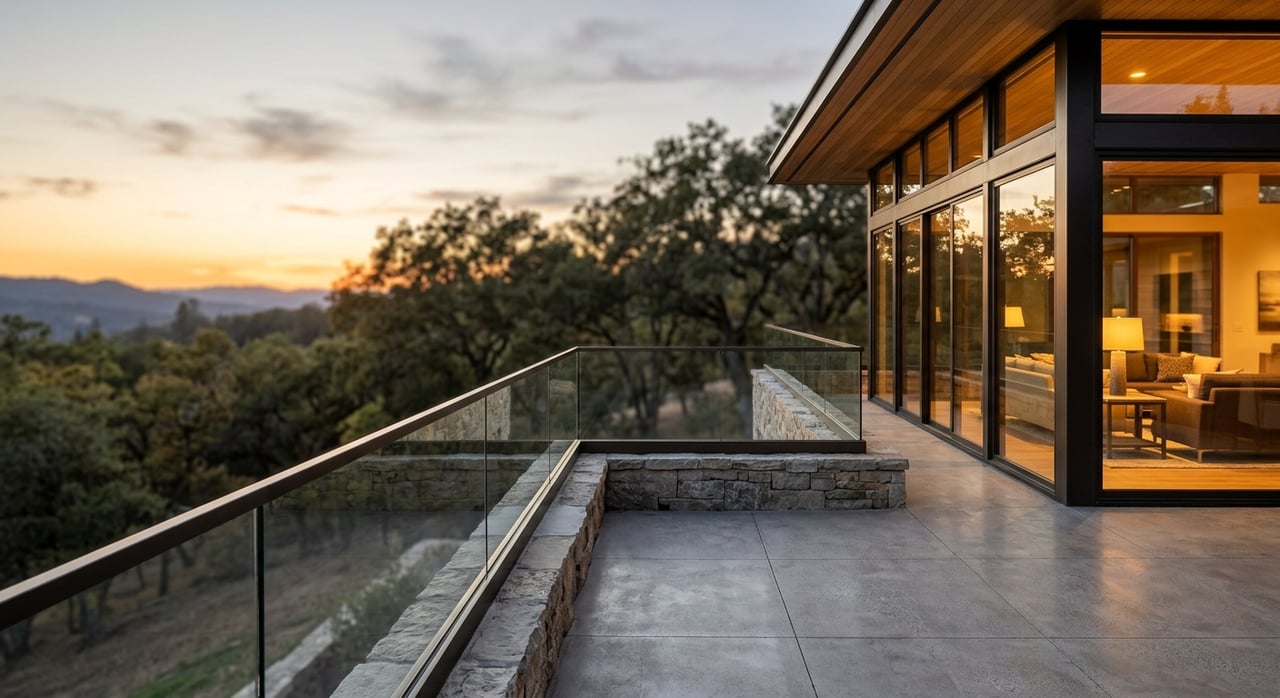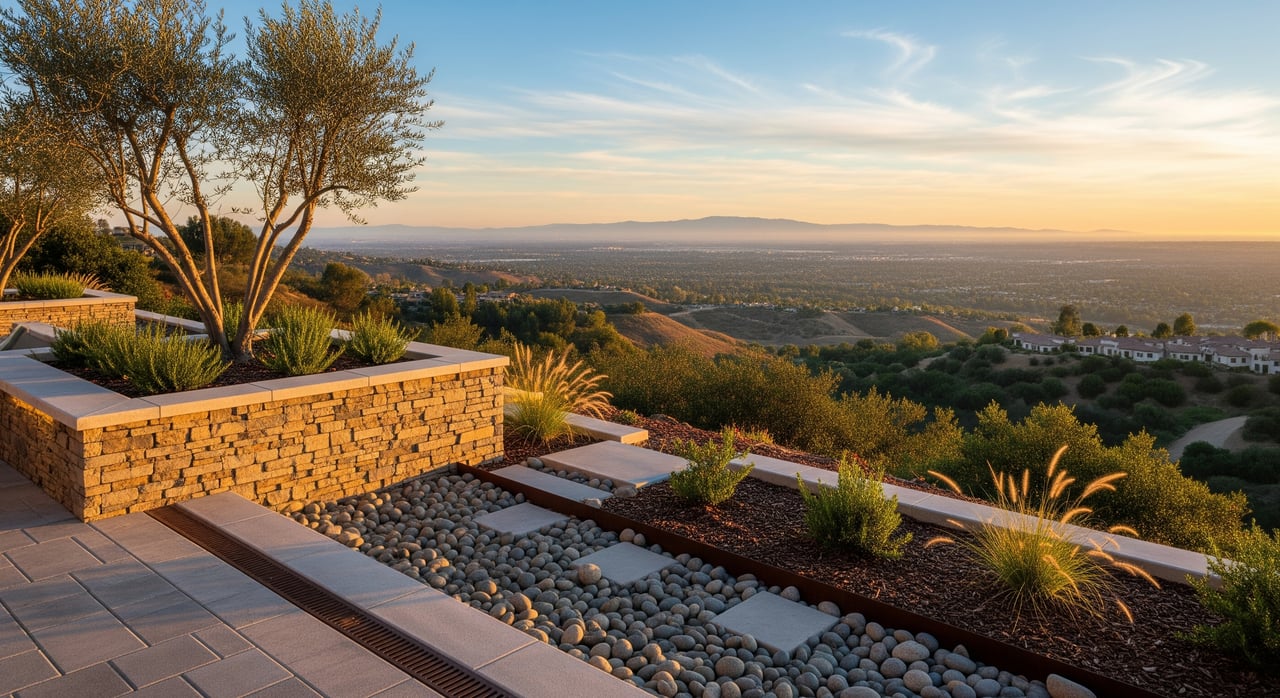
Love a sweeping hillside view but not the surprise of pooled water or a leaning wall after a storm? If you own or are eyeing a Yorba Linda view lot, slope and drainage deserve your attention. You want to protect your investment, keep your landscape looking natural, and avoid costly fixes. This guide gives you practical tips, local rules to know, and smart due diligence so you can enjoy the view with confidence. Let’s dive in.
Why slope and drainage matter in Yorba Linda
Yorba Linda’s foothill setting creates beautiful, highly visible lots where grading and walls need a light touch. The area’s Mediterranean winters bring most of the year’s 14 to 16 inches of rain in short, intense bursts, which can send water downhill fast if not managed well. Local climate references note that winter storms drive most runoff.
Many sites include the locally mapped Yorba soil series, a gravelly sandy loam that is generally well drained, which can help with infiltration but still requires thoughtful design for drains and walls. You can review the Yorba soil series description for context.
Know the local rules
Grading permits and thresholds
Yorba Linda requires grading permits for most earthwork. A limited exemption exists for projects under about 50 cubic yards or shallow work that meets specific criteria. Review the City’s grading code and submittal requirements before starting work, and note the City can require bonds or independent soils report reviews on complex sites. See the grading permit provisions and the City’s Grading Permits page for process details.
Hillside standards and retaining walls
To preserve natural slope appearance, the City discourages massive cuts and fills and recommends avoiding single retaining walls over about six feet where feasible. Larger walls usually need engineered design and permits. Read the Hillside Development standards if you plan landscape or structural changes on a sloped lot.
Stormwater and erosion control
New builds and major remodels must manage runoff and sediment under regional NPDES rules. Expect erosion-control best practices like wattles, mulch, and stabilized construction entrances during grading. Learn more through the North Orange County stormwater program and standard BMP guidance in the Storm Water Standards Manual.
Design tips for surface water
Set yard slopes correctly
Grade finished surfaces to shed water away from foundations. A common target is at least 5 percent for the first several feet, but follow your site engineer’s plan and the approved grading design on file. You can confirm submittal needs on the City’s Grading Permits page.
Manage roof runoff smartly
Keep gutters clean and downspouts extended. Direct roof leaders to a safe outlet, such as a stable daylight point, approved storm drain, or properly sited dry well. Avoid dumping concentrated roof water onto an exposed slope without protection. The Storm Water Standards Manual outlines acceptable discharge and energy-dissipation practices.
Use swales and permeable areas
Vegetated or rock-lined swales slow and steer runoff to safe discharge points. Permeable pavers or planted strips can reduce runoff where slopes and soils allow. Verify feasibility and follow BMP guidance in the Storm Water Standards Manual.
Stabilize slopes and walls
Erosion-control plantings
Deep-rooted, drought-tolerant plants help bind near-surface soils. On steeper areas, combine vegetation with terracing or short, stepped walls to break up slope length and reduce flow velocity. Temporary measures like wattles, mulch, and hydroseeding are standard during and after grading, as detailed in the Storm Water Standards Manual.
Retaining wall drainage details
Proper wall design includes free-draining backfill, a perforated drain at the base, filter fabric, and a positive outlet for collected water. Impermeable backfill raises hydrostatic pressure and risks failure. Yorba Linda’s guidelines also caution against tall single walls; see the Hillside Development standards and consult your engineer for site-specific plans.
Subsurface drains and dry wells
Curtain drains upslope of foundations or walls can intercept shallow groundwater and route it to a permitted outlet. Dry wells can help where soils infiltrate well and where placement is safely away from structures and steep, unstable areas. Follow local NPDES guidance via the North Orange County stormwater program and design per the Storm Water Standards Manual.
Protect outlets from scour
Where concentrated flow exits, use rock aprons or other energy dissipaters to prevent erosion. You’ll find outlet protection methods in the Storm Water Standards Manual.
Buyer and seller due diligence
Records to pull
- City grading permits, as-built grading certificates, and any documented exemptions. Start with the City’s Grading Permits page.
- Geotechnical reports and any soils updates tied to prior improvements.
- Retaining wall plans, building permits, and final inspections. See the City’s grading and permit provisions.
- HOA or tract rules on who maintains private slopes, walls, swales, and drains.
Maps and hazards to check
- California Geological Survey zones for landslide, liquefaction, or fault rupture, which can trigger further investigation. Learn about the mapping tools in this CGS overview.
- North Orange County watershed context and downstream constraints via the stormwater program.
- FEMA flood mapping. It’s a useful starting point, even inland. See the Flood Insurance Rate Map overview.
Inspections to schedule
- Geotechnical engineer to evaluate slope stability and foundations.
- Civil engineer to lay out surface drainage and any grading changes.
- Structural engineer for larger retaining walls or unusual loading.
Smart questions to ask
- Who maintains slope vegetation, private drains, and any walls? The City’s Grading Permits page notes maintenance responsibilities are essential to clarify.
- Has the property experienced pooling, slope movement, or repeated storm repairs? Request invoices and contractor reports where available.
Seasonal maintenance checklist
- Clear gutters and downspouts before and after storms; extend downspouts to stable discharge points.
- Inspect retaining walls for cracks, bulging, saturated soils, or seepage. Call a licensed engineer if you see warning signs.
- Check on-site inlets, swales, and temporary controls after rain. Report blocked public inlets to the City’s Storm Drain Maintenance team.
Quick red flags after rain
- Persistent standing water near foundations or at the toe of slopes.
- New cracking or movement in walls, patios, or pathways.
- Saturated soils and seepage behind retaining walls.
- Eroded channels forming on bare slopes or at downspout outlets.
Smooth permitting tips
- Engage your geotechnical and civil engineer early and align on a drainage-first plan.
- Keep designs consistent with hillside standards to minimize visual impacts and review time.
- Include erosion control BMPs on your plans and maintain them during construction.
- Confirm legal discharge points for all collected water before you build.
Ready to buy or prep a Yorba Linda view lot with confidence? For locally informed guidance and a concierge-level plan to protect value and market your home, reach out to the Tina Tan Group.
FAQs
Do Yorba Linda view lots usually need a geotechnical report?
- If your lot is in a mapped seismic or landslide zone, or if you plan grading, retaining walls, or new foundations, a geotechnical report is typically required. The City can also require one on steep sites. See the California Geological Survey’s tools in this CGS overview.
Are retaining walls over six feet allowed in Yorba Linda?
- They are not banned, but the City discourages single, very tall walls to protect hillside character. Larger walls require engineered design and permits. Review the Hillside Development standards.
Can I use a dry well to handle roof runoff on a slope?
- Possibly. Dry wells are common where soils infiltrate well and siting is safe, but they must meet NPDES and local stormwater rules and avoid slope instability. Coordinate with your engineer and the stormwater program.
Will FEMA maps tell me if my view lot floods?
- FEMA maps are a good starting point but do not capture all local drainage issues. Check FEMA, talk to the City about local history, and review on-site conditions. See the FEMA map overview.
Do I need a permit for small grading on my lot?
- Many projects do, but the City has a limited exemption around 50 cubic yards and specific shallow conditions. Confirm requirements in the grading code and with the City’s Grading Permits page.