Thinking about moving up and wondering if Irvine is worth the premium or if a nearby city might fit you better? You want more space, strong daily convenience, and confidence that your next home will hold value. This guide gives you a clear, local comparison of Irvine and its neighboring cities so you can choose with more certainty. You will see how planning, housing stock, HOAs, commutes, schools, and long-term value differ across Orange County. Let’s dive in.
Irvine at a glance
Irvine is a master-planned city made up of distinct villages like Northwood, Woodbridge, Turtle Rock, University Park, Portola Springs, Orchard Hills, Westpark, and Quail Hill. Villages were designed with a mix of housing types, parks, and walkable centers, often paired with community associations. The result is a predictable neighborhood experience and a wide range of options for move-up buyers.
You will find newer homes on average, with many built from the 1970s forward. Floorplans tend to be modern, with open layouts, attached garages, and planned open space close by. Irvine Unified School District is consistently highly rated in statewide performance, and there is extensive public open space including Orange County Great Park, linear greenbelts, and trail networks.
Irvine is also a major job hub with tech, healthcare, education, and corporate employers, including UC Irvine. Its central location supports commutes around the county, though like most of Southern California, peak traffic can impact travel times.
Nearby cities in focus
Anaheim
Anaheim offers older, mixed development patterns and a large employment base that includes entertainment and tourism. You can find single-family neighborhoods, plus dense commercial and industrial areas. East Anaheim and Anaheim Hills feature hillside tracts and larger single-family options.
Santa Ana
Santa Ana has a historic urban core with denser neighborhoods and more multifamily stock. You will see many older homes and less prevalence of master-planned communities. Character pockets like Floral Park offer unique architecture, with trade-offs in age and potential renovation needs.
Tustin and Tustin Ranch
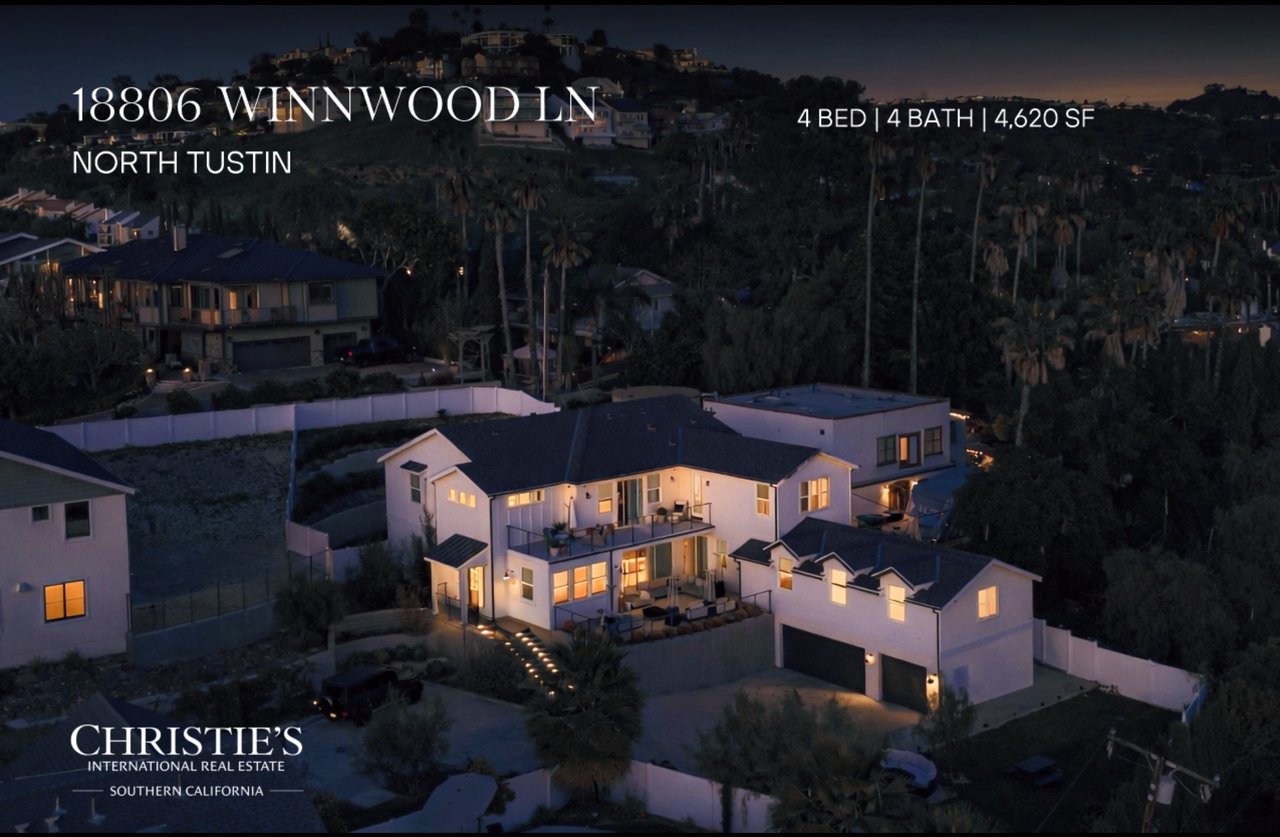
Tustin blends older neighborhoods with planned areas like Tustin Ranch that feel similar to Irvine. You may see family-friendly amenities and a bit more price flexibility for comparable space. It is a practical middle ground if you like Irvine’s planning but want broader options.
Newport Beach
Newport Beach is a coastal, high-value market where location drives a premium per square foot. Many buyers choose it for the beach and harbor lifestyle. Pricing reflects scarcity and coastal demand, while HOA presence varies by neighborhood and product type.
Costa Mesa
Costa Mesa leans coastal and cultural, with access to beaches, dining, and the arts scene. You will see a mix of housing types and ages. Commutes inland can be longer, while access to coastal amenities is a key draw.
Mission Viejo
Mission Viejo offers a master-planned suburban feel, community amenities, and a reputation for family-friendly living. It often provides more square footage per dollar than Irvine, with homes that may be older on average.
Laguna Niguel
Laguna Niguel provides suburban living with proximity to coastal recreation. Pricing tends to be more approachable than Newport Beach, and many buyers value the balance of space and access to the coast.
Housing and price patterns
Across Orange County, price patterns generally follow location and planning. Coastal communities command the highest premiums because of scarcity. Irvine typically sits near the top of the inland market due to its planning, school performance, and proximity to major employers.
Nearby cities vary more block by block, which can create more price variability. You may find larger lots and older homes in Anaheim and Santa Ana at lower price points than Irvine. That said, renovation and maintenance budgets can be higher for older housing stock, so factor those costs into your total plan.
For move-up buyers, the most common wish list includes:
- Larger detached homes with 3 to 5 bedrooms
- Multi-car garages and flexible rooms for offices or guests
- Private yards and space for outdoor living
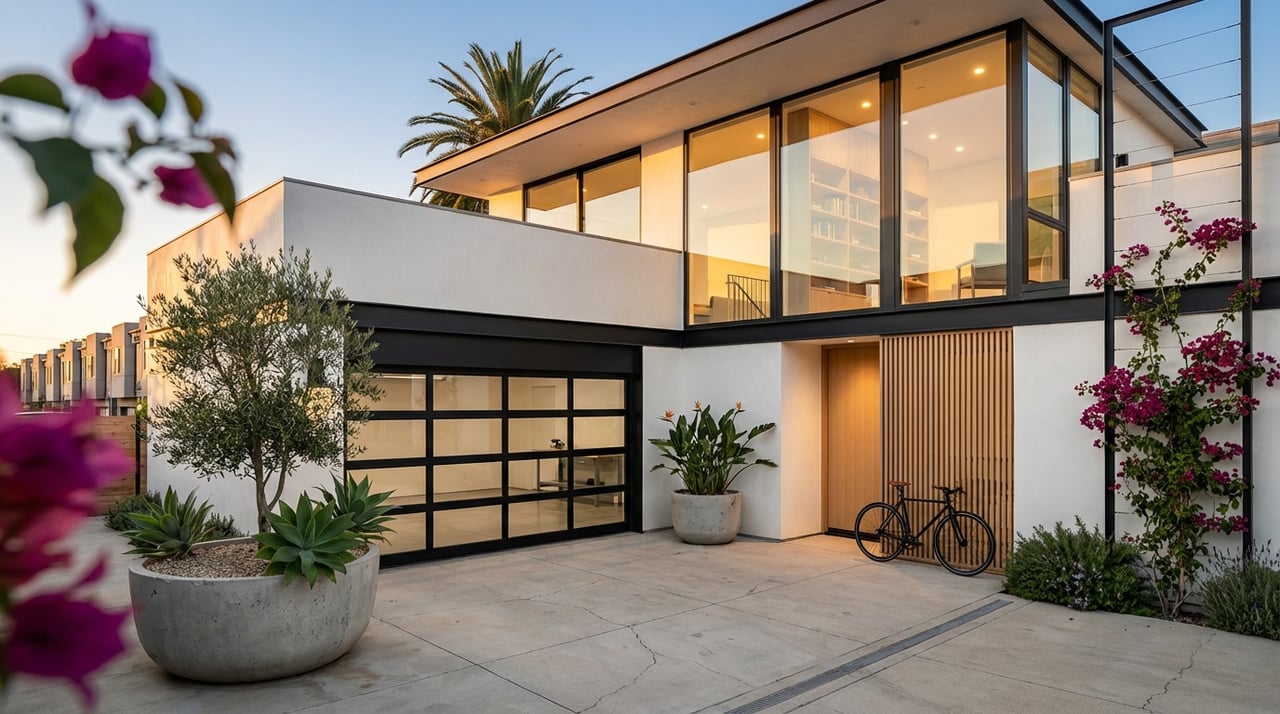
- Modern floorplans with strong indoor-outdoor flow
Irvine’s villages offer many options that hit these points. Newer Irvine tracts typically include modern layouts and amenities, while established villages like Northwood and Woodbridge offer mature landscaping and community features. Surrounding cities may deliver more land and square footage for the price, often with trade-offs in age, updating, or HOA structures.
HOAs, Mello-Roos, and ownership costs
Irvine’s planned neighborhoods often include HOAs or community associations. Fees vary by product type and amenities. Some associations cover pools, landscaping, and private streets, while others maintain modest common areas.
Mello-Roos special taxes are common in many newer Irvine areas, including Portola Springs and Orchard Hills, and also appear in newer tracts in nearby cities. These assessments are paid in addition to base property taxes, so they can materially increase annual carrying costs. In California, the base property tax rate is approximately 1 percent, with local parcel taxes and assessments added on top. Always verify the specific property tax bill, HOA fees, and any special assessments for each home you consider.
Practical steps as you compare:
- Confirm HOA fee amounts and what they cover
- Review Mello-Roos or special district taxes and remaining terms
- Estimate insurance needs, including earthquake coverage
- Budget for maintenance based on age and condition
Coastal areas can carry different insurance considerations. Older homes may need more capital investment for systems and potential seismic work. Build these into your long-term cost model.
Commute and connectivity
If you work in or near Irvine, living within the city can shorten daily travel and reduce friction for school drop-offs, activities, and errands. Irvine connects to I-5, I-405, 55, 73, and State Routes 261 and 241, which makes north-south and inland-coastal movement practical outside of peak times.
Anaheim and Santa Ana are central for county services and major corridors like I-5 and 91, but entertainment zones can add congestion. Newport Beach and Costa Mesa offer quick access to coastal jobs and amenities, while inland commutes may take longer. Toll roads can reduce travel time at a cost.
Transit is an option in several hubs. Irvine has the Irvine Transportation Center for Metrolink, Amtrak, and OC Bus, while Anaheim and Santa Ana have major Metrolink stations as well. If rail or bus is part of your routine, include that in your location criteria.
Schools and family amenities
Irvine Unified School District is consistently highly rated by statewide measures, and village planning often places schools near residential areas with supportive walk and bike paths. Surrounding districts vary, with strong campuses in parts of Tustin Unified and Newport-Mesa Unified. Santa Ana Unified includes high-performing schools in some areas but shows more variability by neighborhood.
Parks and recreation are a strong point across much of the region. Irvine offers significant open space, including Orange County Great Park, village parks, and trails. Newport Beach and Costa Mesa provide beach and harbor access plus arts and dining. Anaheim has regional amenities related to tourism and large parks, and Mission Viejo features a community lake and family-oriented facilities.
Safety and quality of life
Historically, Irvine has one of the lower violent crime rates among similar-sized U.S. cities. Santa Ana and Anaheim report higher rates in some neighborhoods, though both also have areas with lower incident levels. For the best insight, review recent FBI Uniform Crime Reports and local police reports for the specific neighborhoods you are considering.
Demographics and household composition also differ by city. Irvine tends to have a higher share of families with children, higher educational attainment, and higher median incomes compared with many nearby cities. These factors often correlate with consistent demand and resale liquidity for family-sized homes.
Long-term value and resale
Irvine’s long-term demand is supported by strong schools, master-planned neighborhoods, nearby employment centers, and constrained developable land. These elements have historically supported price resilience and steady buyer interest.
Coastal markets like Newport Beach can outpace Irvine when luxury demand surges. In all high-priced areas, shifting mortgage rates and macroeconomic conditions can influence buyer behavior. If you are timing a sale and purchase, model multiple rate scenarios and plan for a conservative range on your current home’s sale price.
Your comparison checklist
Use this checklist to shortlist the right city and neighborhood for your move-up home:
- Target home type and size: 3 to 5 bedrooms, yard needs, office or ADU potential
- Current median sale price and price per square foot for similar homes
- Inventory and months of supply to gauge competition
- HOA fees and what they include
- Mello-Roos or special assessments and total annual tax bill
- Typical year built and expected maintenance or upgrades
- School assignment maps and latest performance indicators
- Commute estimates to your top work centers, peak and off-peak
- Local crime trends per 1,000 residents over 3 to 5 years
- Typical lot size and usable yard space for your lifestyle
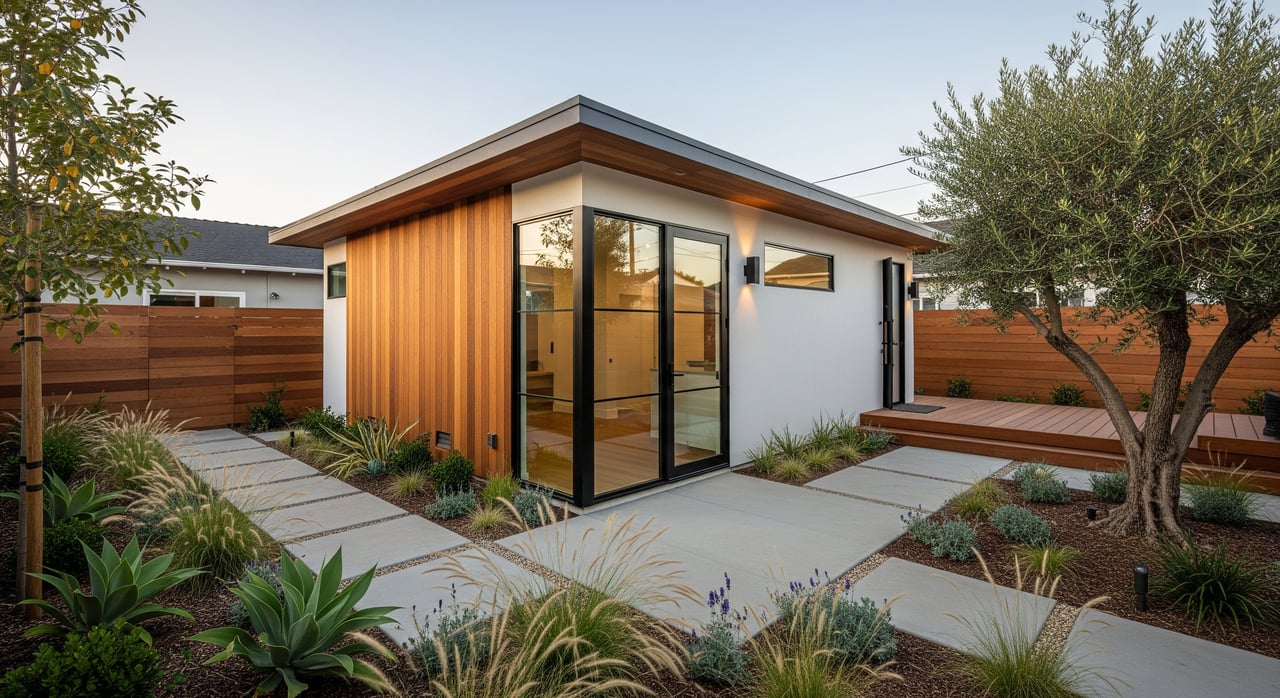
- Zoning flexibility and ADU or expansion potential
How we guide your move-up
Your next move should deliver more space, better daily routines, and confidence in long-term value. We help you compare Irvine against top alternatives using clear, local data and on-the-ground insight. As a boutique-luxury team with Christie’s International Real Estate Southern California affiliation, we combine neighborhood expertise with concierge service, premium marketing, and negotiation discipline tailored to move-up families.
If you are weighing Irvine, Tustin Ranch, Newport Beach, or another nearby city, let’s map your must-haves, budget, and timing, then tour the best-fit neighborhoods together. Connect with the Tina Tan Group to Request Your Home Valuation and start your move-up plan with confidence.
FAQs
Is Irvine worth the premium for move-up buyers?
- Irvine’s premium reflects planning, school performance, and proximity to major employers. If those are priorities, the value often aligns with your goals.
How do HOA fees and Mello-Roos impact monthly costs?
- HOA fees vary by community and amenities, and Mello-Roos adds to your annual tax bill. Always verify amounts for each property and include them in your budget.
Which nearby city offers more space for the price?
- Inland suburbs and older neighborhoods, including parts of Anaheim, Santa Ana outskirts, and Mission Viejo, often offer larger lots at lower prices, with possible renovation needs.
How important is village selection within Irvine?
- Very important. Village differences affect school assignments, HOA rules, lot sizes, and access to parks and trails. Tour several to compare fit and carrying costs.
Will Irvine homes hold value in a downturn?
- Areas with strong schools, limited supply, and stable job centers tend to be more resilient, although no market is immune. Historically, these neighborhoods rebound sooner.