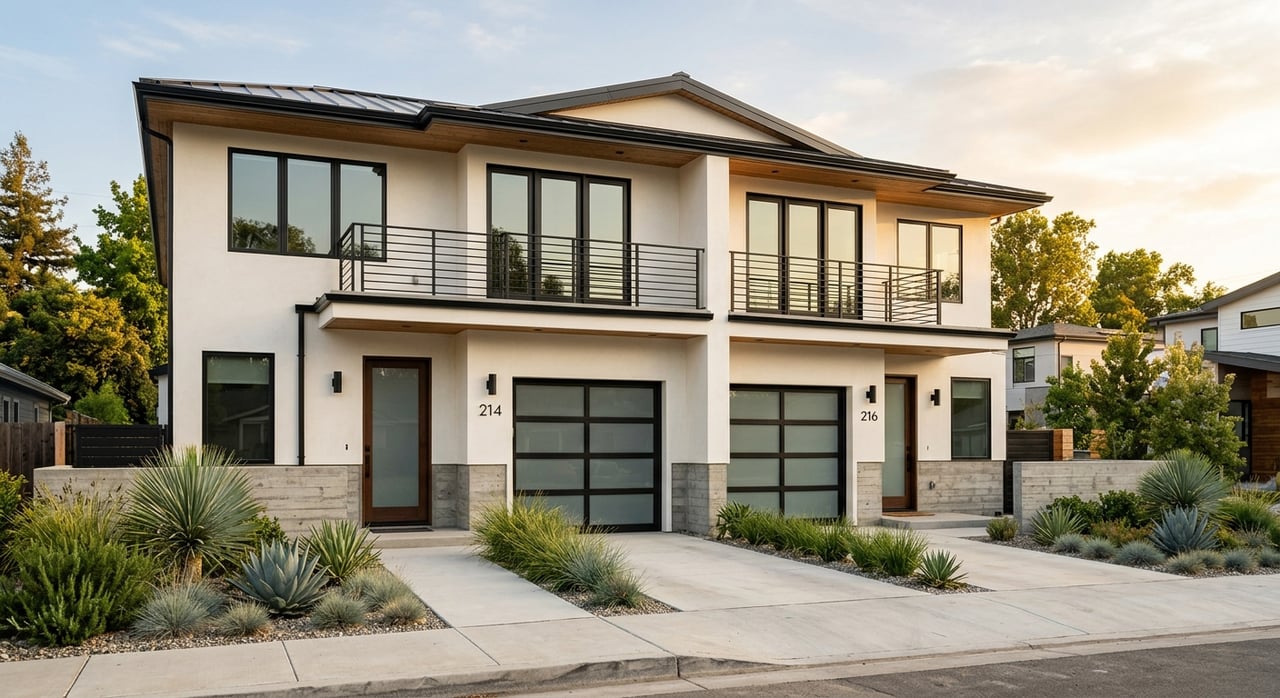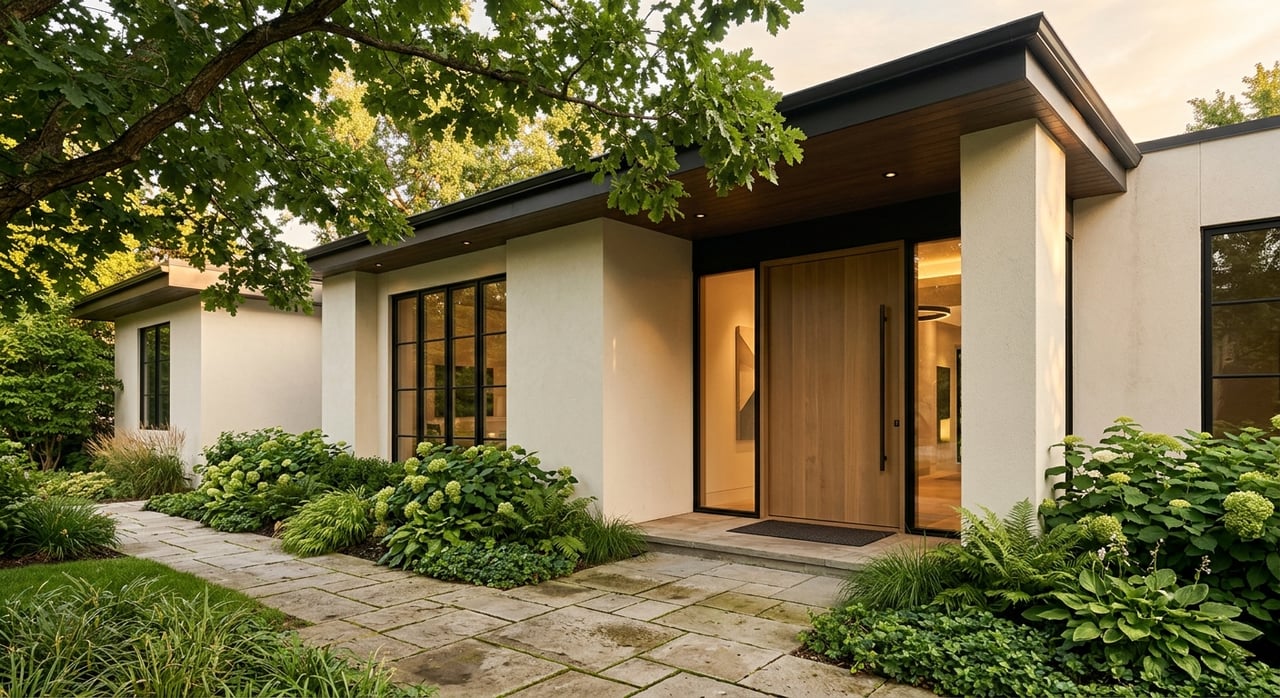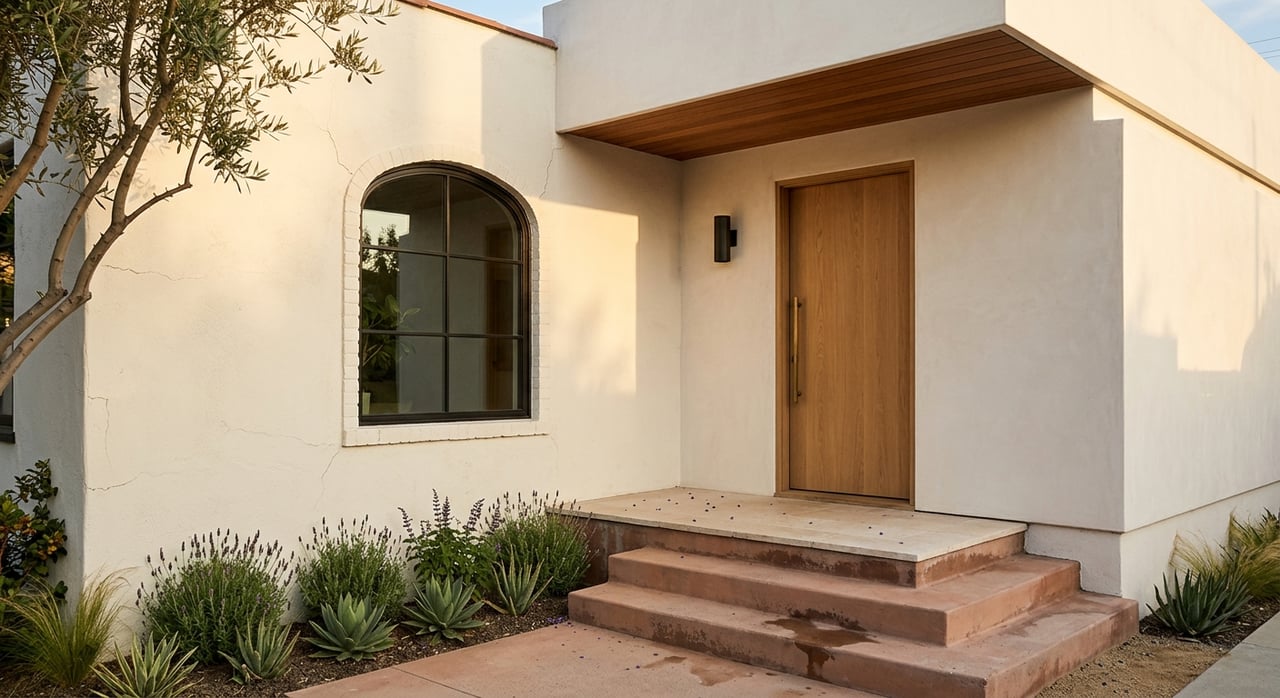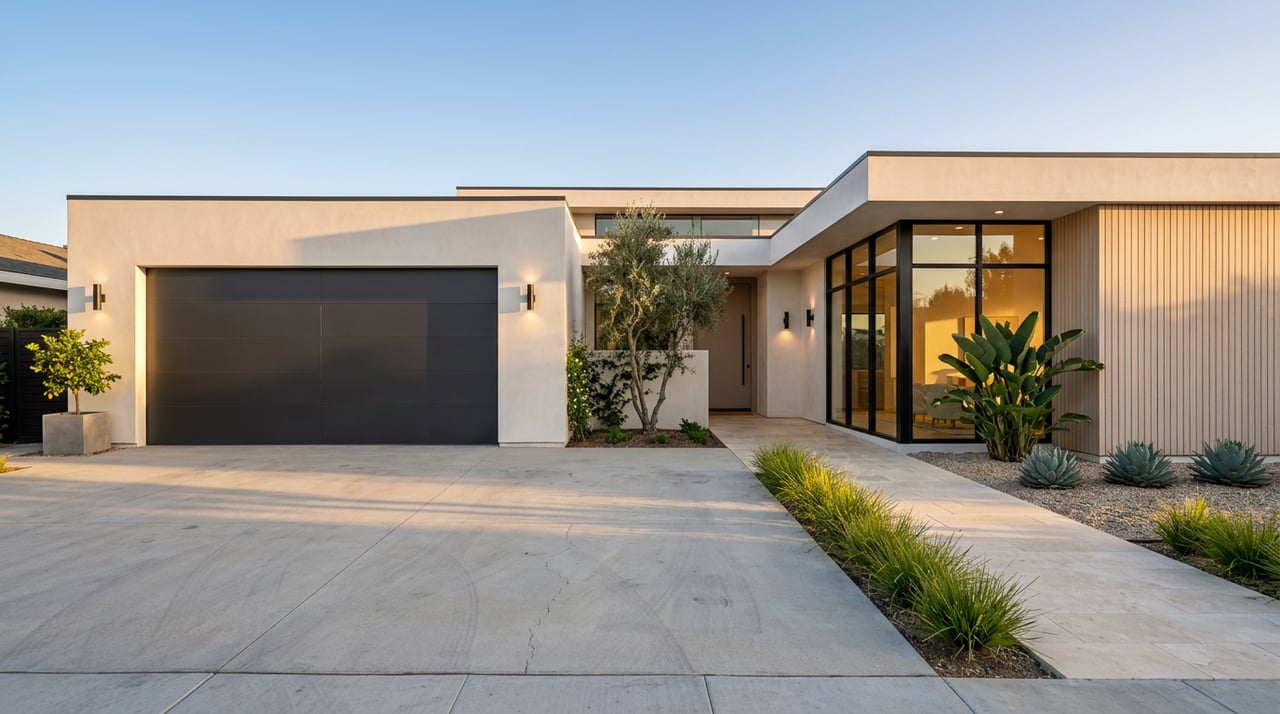
Selling your Yorba Linda home while buying your next one can feel like threading a needle. You want one smooth move, not a maze of contingencies, rate locks, and last‑minute storage runs. With a clear plan and the right team, you can align both closings, minimize interim moves, and protect your equity. This guide maps out how to time the sale, structure financing, and market your home for speed in Yorba Linda. Let’s dive in.
Why timing matters in Yorba Linda
Yorba Linda sits in the higher end of Orange County’s suburban markets, where single‑family homes often trade in the low to mid seven figures. Public market trackers report average values around $1.36M and listings typically go under contract in about a month as of early 2026. Neighborhoods vary, and hillside or larger‑lot properties can have different timelines. For the most accurate snapshot, review the current Altos micro‑report for Yorba Linda before you set dates.
The takeaway: strong buyer demand and polished presentation can help you sell quickly, but high prices increase stakes around appraisals, underwriting, and proceeds timing. Plan your sequence early to avoid surprises.
Map your sell‑and‑buy timeline
A California move‑up typically follows a familiar path: pre‑listing prep, launch, offer review, contingency period, escrow, then close and move. Your goal is to shorten bottlenecks and create backup options so both transactions align.
Pre‑listing prep, 4–6 weeks
Start with a comparative market analysis and a net sheet so you understand likely proceeds. Tackle targeted repairs, consider a pre‑listing inspection, and lock in a staging plan. Order seller disclosures and the Natural Hazard Disclosure packet, then schedule professional photography and video to support a one‑week, high‑impact launch. The California offer process follows the C.A.R. Residential Purchase Agreement, so it helps to understand timelines early using a plain‑English RPA overview.
Offers and contingencies
Inspection and loan contingencies are negotiable. In California, buyers often request about 17 days for inspections and around 17 to 21 days for loan approval, but you can ask for shorter periods if the market supports it. Tighter windows help you compress the gap between selling and buying. Review these terms carefully inside the C.A.R. RPA framework before accepting an offer.
Escrow and close
For financed deals, escrow commonly runs about 30 to 45 days. All‑cash can move faster. Appraisal, underwriting conditions, title work, and wire timing usually drive the pace. Coordinate your buyer’s rate‑lock window with the planned close date so you are not forced into a re‑lock.
Same‑day or back‑to‑back closings
A simultaneous closing is possible when your sale funds your purchase on the same day. It requires tight coordination between both escrows and lenders and can be sensitive to wire and recording cutoffs. Many move‑up sellers set the sale to close a few days before the purchase or use a short rent‑back as a buffer. Learn the mechanics and risks of concurrent closings through this concurrent closing guide.
Smart financing to bridge the gap
Financing strategy determines how competitive your purchase offer can be and whether you need temporary housing. Discuss these options with your lender early and get everything in writing.
Sell first
You avoid carrying two mortgages and use your proceeds for the next down payment. The tradeoff is potential short‑term housing if your purchase cannot close right after you sell. Many sellers solve this with a rent‑back from their buyer.
Buy first with a bridge loan or HELOC
A short‑term bridge loan can unlock equity so you can write a stronger, non‑contingent offer. Expect higher short‑term costs, interest‑only payments, and a clear exit plan tied to your sale. Get familiar with the pros and cons of bridge financing with this bridge loan explainer. A home equity line of credit can be a flexible, sometimes lower‑cost alternative, though it has its own limits and variable rates. Read more in this HELOC overview.
Your lender conversation checklist
- Secure a written pre‑approval showing exactly how sale proceeds, bridge funds, or HELOC draws will be documented and timed.
- Confirm whether your purchase will be treated as owner‑occupied and how any rent‑back arrangement might affect loan classification.
- FHA guidance, for example, requires at least one borrower to occupy the home within 60 days, which can limit longer rent‑backs. Review the owner‑occupancy rule details with your lender.
- Get appraisal timing, final underwriting conditions, and funding wire cutoffs in writing for closing day.
Contract strategies that protect your plan
Negotiating the right contract terms is as important as price when you are aligning two escrows.
Sale‑of‑buyer’s‑property contingency
If you need to sell before you buy, you can use the C.A.R. Sale of Buyer’s Property addendum to make your purchase offer contingent on your sale. This addendum sets timelines, release clauses, and how backup offers are handled. Ask your agent to walk you through the tradeoffs using the C.A.R. guidance so you know when and how the contingency must be removed.
Appraisal and offer‑strength tools
In competitive situations, buyers sometimes use escalation language, appraisal gap coverage, or pre‑inspection agreements. These can help you win a home without stretching timelines, but they carry risks and should be structured precisely. Align any appraisal gap plan with your lender so funding is not jeopardized.
Rent‑back agreement basics
A short post‑closing occupancy, often 1 to 30 days, can give you breathing room to close on your purchase. Put it in writing with a clear move‑out date, daily rent, a security deposit held in escrow, insurance responsibilities, and utility transfers. Longer rent‑backs may require lender and title company approval and can trigger different loan rules, so get those confirmations early.
Marketing launch to minimize days on market
Time on market is your biggest variable. Strong launch execution narrows buyer questions and accelerates offers.
Stage for speed
Staging helps buyers visualize the home and often reduces time on market. National research shows buyer agents consistently report the benefits of staging and high‑quality visuals. Review the findings in the NAR Profile of Home Staging and prioritize high‑impact rooms.
Price right and blitz week one
Capture attention in the first 7 to 10 days, when interest peaks. Price in line with the most recent Yorba Linda comps, then launch with professional photography, a cinematic video tour, twilight images, targeted social ads, and a broker open. Concentrating demand early can pull forward strong offers.
Know the coming‑soon rules
A limited coming‑soon period can build anticipation, but you must follow your local MLS rules on timing, showings, and syndication. Policies vary by board and change over time. Use this delayed distribution explainer as a reminder to confirm CRMLS or OCMLS specifics with your listing agent before you promote a coming‑soon campaign.
A compressed playbook for Yorba Linda move‑ups
Use this high‑level sequence to keep both sides moving together.
- 8 to 6 weeks before list: Get your CMA and net sheet, schedule a pre‑listing inspection if appropriate, line up contractors, and finalize a staging plan.
- 4 weeks before list: Complete priority repairs, stage, capture photo and video, gather disclosures and NHD, and prep MLS paperwork. Launch with a focused first‑week campaign.
- Offer accepted: Negotiate shorter inspection and loan periods when the market supports it, and open escrow immediately. Coordinate appraisal timing and daily check‑ins with your lender and escrow.
- Closing day options: Sell first, then buy a few days later using proceeds; close both on the same day with one escrow team coordinating; or buy first using a bridge loan or HELOC. Each requires written wire instructions and lender sign‑off. Review the logistics in this concurrent closing overview.
Your step‑by‑step checklist
Copy, print, or save this list to guide your move.
- Market readiness
- Get CMA, net sheet, and a timeline draft.
- Decide on pre‑listing inspection and priority repairs.
- Approve staging plan and book photo, video, and 3D tour.
- Gather disclosures and NHD.
- Lender and financing
- Secure pre‑approval in writing, including how proceeds or bridge funds will be used.
- Confirm owner‑occupancy rules and any rent‑back limits with your lender.
- Get appraisal timing, rate‑lock expiry, and funding cutoffs in writing.
- Launch and offer
- Price to current comps, not last quarter’s headlines.
- Run a first‑week marketing blitz: media assets, social ads, broker open.
- Set negotiable contingency windows aligned to your purchase plan.
- Escrow coordination
- Open escrow promptly and schedule appraisal and inspections.
- If planning back‑to‑back closings, confirm wire sequencing and which title company will handle each side.
- If using a rent‑back, execute a written agreement with deposit, rent, and a firm move‑out date.
- Move logistics
- Get 2 to 3 mover estimates and pencil in target dates.
- Line up short‑term storage or a rent‑back backup.
- Create utility transfer and change‑of‑address lists.
Ready to map your timeline to your exact address and goals in Yorba Linda? Tap our media‑first marketing, Christie’s network reach, and concierge transaction management to streamline your move. Connect with the Tina Tan Group to start your custom plan.
FAQs
Will I need to carry two mortgages when I sell and buy in Yorba Linda?
- Not necessarily. You can use a sale contingency, a short rent‑back, a simultaneous or back‑to‑back closing, or short‑term financing like a bridge loan or HELOC. Bridge financing carries higher short‑term costs, so review details in this bridge loan explainer and plan your exit before you commit. For same‑day closings, understand the concurrent closing mechanics.
How long is escrow in California for a financed sale?
- About 30 to 45 days in many financed transactions, depending on appraisal timing, underwriting conditions, title work, and wire recording schedules. All‑cash deals can close faster when documents are ready.
Can I stay in my home a few weeks after it closes?
- Yes, many sellers use a short written rent‑back, often 1 to 30 days, with a daily rent amount and a security deposit held in escrow. Confirm lender and title approval for any rent‑back, and remember that some loan programs require the buyer to occupy the home within a set period.
What marketing reliably reduces days on market in Yorba Linda?
- Price correctly at launch, stage high‑impact rooms, and use professional photography, video, and 3D tours. Research supports staging’s role in helping buyers visualize a property and in shortening time on market, as noted in the NAR Profile of Home Staging.